Search Results
Search this site
1611 results found with an empty search
- LIVE FROM THE PIT: Seahaven and Carsick
SEAHAVEN have always felt like a band suspended in that liminal space between confession and catharsis, and revisiting their world now feels a bit like opening a long‑sealed letter - you brace for the sting, but you’re drawn in anyway. What makes them compelling isn’t just the moodiness or the slow‑burn tension they’ve perfected; it’s the way their songs seem to articulate emotions people don’t usually say out loud. Performing their album Winter Forever in full, to celebrate 15 years since the release, supported by Salisbury punks CARSICK, SEAHAVEN opened the first night of their tour, at the Bodega in Nottingham, showing the crowd why they are are quintessential melodic hardcore/emo band. Opening the evening was CARSICK, a rising Salisbury four‑piece, who gave similar vibes to THE LAFONTAINES and KID KAPICHI, with a strong, undeniable accent coming through with each lyric. Back by Lord of the Rings standees, the band, built around brothers JOE and JACK RICHARDSON, joined by JACK HARDIMAN on bass and TOM ARMSTRONG on drums delivered a genre‑bending set, with stand out tracks being Thatchers Gold, Is What it Is and Pub Watch. A two man pit erupted mid-set, encouraged by front man JOE, in the attempt to win the converted prize of a Herbie Reloaded DVD, much to the rest of the audience's amusement. Their sound landed somewhere between post‑punk grit and indie‑dance energy, but the crowd enjoyed every minute. Taking to the stage to perform Winter Forever in full, SEAHAVEN got stuck into the atmosphere of the record immediately. With introduction to the band, to the songs and limited crowd interaction, it was a little surprising but it didn’t affect the way the audience were reacting to the songs being played before them. Formed in 2009 in Torrance, California, the four piece band, who apparently hadn't been to Nottingham in “150 years” according to front man Kyle Soto, appeared as if they were returning to a place they’d half‑forgotten but still felt tethered to. The crowd responded with that quiet, anticipatory hush you only get when a crowd knows exactly what kind of emotional excavation they’ve signed up for. Soto was accompanied by fellow band members Cody Christian on guitar, Mike DeBartolo on bass and Eric Findlay on drums, who matched his restraint, emotional intensity, and almost disarming stillness with familiarity. Playing Winter Forever from beginning to end, from Goodnight, to Black & White, to closing track PV (performed with an extended intro) was a defiant move. Soto’s voice, soft, frayed at the edges, but unwavering, cuts through the mix with the kind of intimacy that makes you feel like you’re overhearing something private. The band played with a restraint that felt deliberate, they weren’t here to overwhelm so much as to seep under the skin. It was clear that they knew how much the album meant to those who had come to see them; nostalgia pays and SEAHAVEN were not about to let the audience down. Following the closing track of Winter Forever, a steady set of tracks from previous albums made an appearance; including Head in the Sand (Blinding Son), Moon and Flesh. In addition to these tracks, SEAHAVEN gave the audience a taste of what's to come; Long Goodbye from new self-titled album made an appearance, as well as Midnight Hour and February Flowers making their live debut. Closing out the set with Andreas was a clear decision, with the crowd singing every word back at Soto, with the energy of an arena crowd. With a new record coming out in June, SEAHAVEN shows no signs of slowing down. Choosing to open their tour in a venue as intimate and atmospheric as the Bodega was not lost on the crowd. The darkness, the smokiness and the almost synchronised swaying of the crowd made for a show to remember. Words: Lou Viner-Flood Photos: Libby Percival
- LIVE FROM THE PIT: Hiraes and NOPREACHERS
HIRAES are no strangers to an energetic London crowd. With two previous performances at The Dome and the O2 Academy Islington as supporting acts for DARK TRANQUILITY and BE LAKOR. These previous incredible performances had left long-lasting impressions and created a group of devoted fans, ecstatic to see another show in the UK. The Black Heart, located in Camden, is primarily known as a haven for metalheads and those who enjoy alternative music. HIRAES had seized the opportunity to perform their first headline London show at an incredible intimate venue, whilst sweeping through Europe, as part of their Nightlight tour with NOPREACHERS. A night filled with rage, passion, and German melodic death metal, this night will not be forgotten. With their first time performing in London, NOPREACHERS had been releasing music since 2023 and were seen as an upcoming band that blends melodic death metal and metalcore. Their connection to HIRAES became unmistakable with their latest single, Bury Me, which features guest vocals from Britta Görtz, further cementing NOPREACHERS as a German band worthy of recognition. This song proved to be the perfect way to connect with the crowd, ready for an evening of entertainment. The atmosphere during NOPREACHERS’ was set before the first note. With striking light work that flooded the venue, anticipation rose through the crowd. When the performance kicked in, the powerful clean vocals immediately stood out. Their melodic delivery merged seamlessly with the heavier elements, evident in their track Ikigai. Stage direction was a highlight as the crowd formed a synchronised wave of headbangers and waving arms. A pint was spotted in the centre, lifted high as the arms that swayed in unison. Closing with Rising showcased the diversity of their talent, solidifying NOPREACHERS’ ability to win over new listeners and pull them into their music. It was time for the main act, HIRAES. With a solid fanbase formed across Europe, their first London headline show was fast approaching. As the clock struck nine, a low hum of anticipation was simmering on the floor. A vibrant sea of blue lights draws the crowd's attention as the band fills their stage. With their backs turned to the crowd in those first few seconds, there’s a quiet confidence and an unspoken promise that the night's performance was going to be worth the wait. The intro begins with the lead vocalist alone, her voice cutting the anticipation as she clutches the fist microphone. Smoke machines roar to life around her and she rises above the crowd on to a higher platform, adding a theatrical intensity. Through The Storm is the first song on the setlist. Britta Görtz was controlled and ferocious, a voice that anchors the chaos that follows. It doesn’t take long for the crowd to respond. Chants ripple through the floor, fuelled by the band’s compelling stage presence. There’s an incredible balance in the sound: melodic intertwined with waves of raw, passionate aggression. We Owe No One resonates with the floor as lyrics echo back to the stage. Britta Görtz wove into the crowd, letting fans feel closer to her as they screamed along. After some crowd interaction with the band, it became evident that the audience was a mix of longtime fans and newcomers. Then comes the shift. There is a new level of chaos as the pit opens up: bodies colliding, beer spills and a new round surge of energy. There's a strange sense of unity. The melodic undertones guide the movement as the audience sways, sings, and crashes together like a restless school of fish. From the very back, you can still see it: collective arm movements, Britta’s signature hair propelling, and a collective sense of joy. The band’s sound surges of piercing pig squeals and crushing instrumentation, featuring slashing riffs and solidifying bass lines, before shifting into a “closing stretch” that leans into a Viking-metal-inspired intensity with the song Running Out Of Time. As the ending approaches, the crowd isn’t ready to let go. Chants for an encore erupt immediately. The band returned to deliver one last assault of slashing riffs and unified voices. Closing the night with Undercurrent, it is solidified that the night was triumphant and hard-earned. Fans were happy with the equally distributed setlist with 7 songs from each album, Dormant and Solitary, being performed. As the venue clears out, there's a unified feeling of content and a yearning for yet another return from German bands NOPREACHERS and HIRAES. Words: Theviya R Karunaharan Photos: Lisa Ulferts
- LIVE FROM THE PIT: The Rumpled, Stereo Cupid and Girl Like That
Tonight, the packed out London crowd is chanting random Italian, as instructed by THE RUMPLED. However, even if they want to play on stereotypes, the band are much more than just 'mamma mia'. The sheer energy of the bunch is so infectious, it transcends all cultural barriers and unites all the wanderers at the Underworld. Touring alongside the stars, GIRL LIKE THAT took an earlier slot for tonight with a sweet stripped-back set. Although their usual band is not here, the acoustic set turned out no less captivating. The singer and guitarist duo played their biggest tracks, with fun groovy melodies and screamy choruses like the ones in Bad Boys In Bands and Miss Midnight. However, the highlight of the set might be the yet unreleased song, which talks about a male friend betraying your trust. Even if not fit for the vibe of the show, there can unfortunately never be enough of repeating the lines "No means no". Overall, even if toned down, GIRL LIKE THAT have blessed the crowd with an amazing set as a starter. STEREO CUPID were a special London-only addition for the tour, and how special it was indeed. The minute the band walk on stage, we are swept away by the waves of sound and dynamic force. With their classic punk rock anthems Feel Alive and Ready For Nothing, the five-piece could not be more fit to warm up the crowd for what is to come. The singer’s black rundown eyeshadow and a concerned stare into the void adds another layer to their ambience, getting STEREO CUPID to truly stick into our memory. "It’s Monday night, we shouldn’t be here anyway, so I wanna see you jump!" — and with no hesitation, the audience obeys. A good indicator of a set that is just out of this world is when most of the members begin to lose their shirts one by one. In their true punk essence, STEREO CUPID launch the preparation for the Underworld summer, as if trying to get the crowd so berserk the sweat will start dripping off the ceiling. THE RUMPLED run on stage quite tidy and put together, but we know that is not for long. After we’ve had an extended break between the acts, the whole room starts buzzing, ready to go again. The folk rock ensemble perform one hit after another, with the range of old and new material across the board. Highways & Hangovers, Hearts and Bones, You Get Me So High all carry away the crowd, making it practically impossible not to jump and scream along, and the violin solo being purely a cherry on top. The band continue with one of their most popular tracks, which is a cover of Wellerman. Having travelled all the way from the Dolomites in Italy, THE RUMPLED bring their mountainous spirit to the isles, where this ballad is recognised and loved even more. The band generally take a lot of Celtic influence in their composition and arrangements, which might be part of the reason for their rampant success in the UK and so many sold-out dates. Here, THE RUMPLED take a breather and reflect: only last year, their London crowd consisted of 30 people — and now it is 500 and counting. Highlands or seashores, mountain goats or seagulls, one thing is clear — we are all spiritually and physically in one place together — on the dancefloor. The artists do not take it for granted, even adapting one of their songs to tribute the venue: "I was lost in the world, I was so far away", altering the lyrics to fit "Underworld". Any corner of this room is so lively, with lone concert goers even creating their own spinning circles in the bar area, of which even we were not spared. At the end, it is evident — this stage is not enough for THE RUMPLED, we need to get them an even bigger one so that they keep jumping in sync. Words and photos: Mariia Bulkina
- REVIEW: Silo - Haze
Hailing from the Isle of Man, SILO emerged in a landscape where life moves slowly and creative opportunity doesn’t exactly knock. With no established scenes or circuits to plug into, the band was moulded by the island’s stillness and separation. Rather than looking outward, they channelled that isolation into their work, forging a sound that’s equal parts abrasive, melodic, and deeply human. The band came together in the post‑Covid lull, when five long‑time friends, - Kriss Maguire (vocals), Lar Crookall and Chris Barber‑Shaw (guitars), Dario Leonetti (bass), and Darren Shields (drums), started writing music as a way to reconnect and create. Haze, the band's debut album, was recorded in Southampton with producer Kel Pinchin, aiming to release independently. However, after sending the material around, this led to an unexpected email from Easy Life Records, who signed them immediately. The album is a portrait of collapse, survival, and the uneasy calm that follows. Written collectively in the room rather than pieced together in isolation, it captures moments in real time — instinct over polish, emotion over precision. Across thirteen tracks, Haze moves through addiction, disillusionment, therapy, love, loss, and identity, offering no neat resolutions, only unfiltered truth. Opening track Static Screen, at a little over 1 minute long, comes screaming into the listeners face, introducing what is to come with blunt, uncompromising riffs. Spin follows; heavy guitars, even heavier drums and accompanied by a heady mix of clean vocals and screamed tones. Next track Crawl in a Bottle was released as the first single from Haze back in January 2026 and channels isolation, agitation, and a splintered sense of self into a volatile collision of post‑hardcore pressure and grunge‑laden weight. The story it tells is from the viewpoint of someone stepping into therapy for the first time, which reads like a raw, self‑aware, and unfiltered monologue, with lyrics like “Where I've stayed isn't a true home / Just let me wander away from this place” hitting just right. Maguire delivers sweeping choruses which offer brief moments of reflection without softening the blow. Follow up single Ill Intent lands as a defiant statement built on self‑belief, clarity, and resistance. Blending post‑hardcore urgency with modern alternative heft, the track pushes back against manipulation and false narratives, its lyrics rooted in freedom, resilience, and inner strength, with Maguire lamenting “Seems you always have a need to deceive, mislead / Forget your broken dreams”. Split My Mind has a softer vocal delivery than the tracks preceding but still delivers the aggressive riffs post-hardcore is best known for. Forget It was released as the third and final single before the album release. It is an uncompromising response to emotional manipulation; a release and a boundary drawn in the same breath. Driven by precision‑tight rhythms and a sharp, cutting vocal delivery, the track captures the exact moment when simmering frustration crystallises into resolve. Its aggression is deliberate, channelling internal turmoil into something outward‑facing and unshakeable. What’s Left of Me has verses that have an almost nu-metal, POD like vibe, before moving back into the heavier, shouted lyrics for the choruses, giving a DEFTONES like feel to the track. Low Sun, coming in as the longest track on the album, returns to the stylings of the preceding track; this is the strongest song on Haze and needs to be played loudly, and on repeat, in our opinion. The track lands perfectly despite it differing from the surrounding songs. With Jaw Wire, Maguire returns to the heavier vocals heard in earlier tracks on the album, but they are still accompanied by guitars and bass from Crookall, Barber‑Shaw and Leonetti that come in heavy, and with purpose, with Shields smashing the drums with urgency and precision in the background. This is bound to be a track where the crowd will rise up, into the pits, and end in a sweaty heap on the floor. Bai Lan has a slight return to the softer vocals to start, but still comes in heavy; there is no compromise when it comes to the volume of all of the elements that make up this track. With a mid centre spoken monologue, the title referencing the concept of “letting things rot,” aligning with themes of disillusionment and autonomy, is honoured perfectly. One of the shorter tracks on Haze is Imposter; despite the length, it still delivers one of the album’s most emotionally direct moments, tapping into those tortuous moments of self doubt and impostor syndrome. Shields drums take a starring role in this track, with the guitars and bass delivering a reverb that would be more familiar in a shoegaze track, but fit right at home where they are. Lucid is a track that further delivers the album's theme of that central tension between self‑awareness and confusion, with vocals that hit heavy and again, there is no compromise with the backing instruments. Closing track Times Change delivers the biggest surprise on Haze; after a loud, aggressive, energetic run of twelve songs, listeners are treated to a stripped back song, with acoustic guitar and vocals. The track offers a moment of calm reflection, a quiet exit, one which isn’t necessarily needed but is welcomed. SILO step out of isolation with purpose, uninterested in scenes or fleeting movements. Haze feels like a band pushing outward from silence, sharpening their edges instead of sanding them down, searching for truth in the chaos. It’s an instinct driven record — raw, intense and committed to honesty over ornament. You can catch them at 2000 Trees Festival later this year. Score: 8/10 Haze will be released on 1st May 2026 via Easy Life Records. Words: Lou Viner-Flood Photos: Silo
- REVIEW: ugly ozo - dive
The Isle of Wight–based indie band UGLY OZO release their second EP, dive, on May 1st. The band blends raw feminine energy with gritty riffs and a strong dose of punk noise. Across this five-track record, Jessica Baker and her band take us on a journey through her experiences and emotions. The EP opens with their first single, released back in January, hi, how are you? At first glance, it comes across as a raw indie punk track. A soft, minimalist verse leads into a build up that eventually explodes into an energetic chorus. The vocals complement the track well, making it an engaging introduction to the EP. Lyrically, however, things take a darker turn, as Jessica Baker reflects on her experiences with burnout and depression. She describes the song as “a conversation between myself and my inner rival, like I’m playing tug of war between self-doubt and determination,” and you can clearly feel that tension in her delivery. The second track, overkill, explores the experience of being with someone you don’t want to leave, even though they treat you badly. The lyrics are simple but effective. The raw, fuzzy guitar pushes the song further into punk territory, making it one of the highlights of the EP. Their newest single, jackpot, starts off more subdued. A simple drum pattern and soft vocal humming form the intro. The verse introduces a catchy bassline while keeping the energy restrained. In the chorus, both the emotions and the instrumentation burst open. The lyrics revolve around the feeling of wanting someone while making them work for your attention. It’s a playful, flirty track, especially emphasized in the chorus. The first entirely new track on the EP, godspeed, feels chaotic. Not just because of the distant screams in the background. The song deals with betrayal and the frustration that follows. It feels like an entire friendship arc condensed into one track. This is also the first song that fully leans into a more indie-driven sound, making it one of the softer moments on the record. However, it’s far from dull. As the emotional tension builds, so does the music, gradually becoming louder, rougher, and more chaotic. The closing track, MISERY, lives up to its name. The repeated line “I’m fine” suggests quite the opposite. As the EP comes to an end, we’re given its emotional peak. The track feels deeply personal, offering an intimate look into regret and the descent into misery. The final guitar solo is a particularly strong choice, elevating the track and solidifying it as the standout moment of the EP. It emphasizes the emotional weight while also signalling a powerful conclusion. UGLY OZO’s latest EP is a chaotic blend of indie and punk. It feels like a personal diary, with thoughtfully crafted instrumentation reinforcing its themes. While a few moments feel slightly too raw, it still marks the band as one to watch in the British indie scene. Score: 7/10 dive will be released on 1st May 2026 via REX RECS. Words: Hannah Martin Photos: Emma Jones
- REVIEW: Terror - Still Suffer
Some records feel like escalation; others feel like endurance. Still Suffer sits firmly in the latter - an album that doesn’t try to outrun the past, but stares it down, shoulders squared, jaw tight, and dares it to swing first. Over twenty years in, it’s clear TERROR aren’t interested in reinvention. We’ve got ten tracks, each one a pressure point for the unpolished truth that is shouted directly into your face. From the first few seconds of Erase You From My World, that truth is hard to ignore. There’s something especially brutal about the way this record opens. Not just musically - though the low-end rumble and Jett’s hammering drums feel like the ground giving way beneath you - more so emotionally. Scott Vogel doesn’t ease into it. He arrives mid-confession, mid-condemnation, dragging self-disgust and regret into the light with a clarity that cuts deeper than any breakdown. That’s the thread running through Still Suffer: not just anger, but accountability. TERROR have always dealt in aggression but here it feels more internalised. Reflective rage turned inward before it’s thrown back out at the world; there’s no clean narrative arc and no redemption neatly packaged at the end. Just recognition and consequence. Sonically, this is TERROR distilled. An album barely scraping past the twenty-minute mark, each one built to hit fast, hit hard, and leave a mark - if you’re looking for experimentation, you won’t find it here, and that’s exactly the point. While much of contemporary hardcore stretches outward, blending genres and softening edges, TERROR double down on what they’ve always done best. Short songs. Sharp edges. Zero excess. The title track, Still Suffer, lands like a mission statement. It’s everything you expect - driving two-step energy, a breakdown that feels engineered to fracture a room - but it’s also one of the record’s most immediate moments. The chorus has that instinctive, collective pull to it, the kind that turns a crowd into a single voice. It’s not hopeful, exactly, but it is unifying. Elsewhere, the album leans into its heaviness without losing momentum. Promised Only Lies drags itself into a suffocating, slow-burn breakdown that feels almost oppressive in its weight, while Destruction of My Soul flirts with metallic textures. You can tangibly feel something nastier creeping into the edges of their sound. It’s not a full departure, yet there is a sense that the band are still finding new ways to make familiar tools feel dangerous. That tension between consistency and intensity is where Still Suffer thrives. The instrumentation is locked in with the kind of precision that only comes from years of doing this over and over again. Nick Jett’s drumming is relentlessly controlled, each hit landing exactly where it needs to; the guitars from Martin Stewart and Jordan Posner don’t overcomplicate things and they don’t need to. Their strength is in movement - in the way riffs transition and collapse into breakdowns that feel inevitable. Of course, then there’s Vogel. At this stage, it would be easy for his delivery to feel routine. If anything, there’s more weight behind it now: his vocality is less about projection and more about lived experience. His voice carries years of frustration, reflection, and unresolved tension, and it gives the record a sense of authenticity that can’t be manufactured. This isn’t performative anger he’s grasping at his vocal cords with, he’s reshaping that weight and delivering it with intent. Tracks like A Deeper Struggle and Death of Hope lean fully into that emotional density, their atmosphere lingering long after they’ve ended. There’s no attempt to soften the message, no desire to make it more palatable. Life is unfair but you’ve just got to deal with it. That’s the reality Terror present - and they don’t blink while doing it. The guest features are used sparingly but effectively. Jay Peta brings a different kind of urgency to Beauty in the Losses, a track that briefly opens up, letting something more melodic slip through before snapping back into place. Chuck Ragan’s contribution to Fear The Panic adds texture with his voice sitting rough against the track’s driving energy. Closer Deconstruct It, featuring Brody King and Dan Seely, is pure collapse - three voices converging in a way that feels chaotic but deliberate - closing the record on its heaviest note. The closing moments are unexpectedly softer and almost intrusive, offering a brief shift in tone. It’s not a full departure but it’s enough to catch you off guard. After everything that comes before it, that small moment of vulnerability feels significant. Perhaps not necessarily comforting, but it’s real. Production-wise, everything is stripped back yet poignantly powerful. There’s a clarity to the mix that lets each element breathe without losing impact. The drums feel massive, the guitars cut through cleanly, and Vogel sits right at the front, impossible to ignore. It’s a sound built for movement, for packed rooms and bodies in motion, and maybe that’s where Still Suffer really finds its purpose. This isn’t just an album to listen to. It’s one to experience. You can already picture the stage dives and the shouted lyrics echoing back at the band because TERROR unifies in the space they create, even if this album’s themes lean into isolation. Still Suffer doesn’t try to be anything it’s not. It doesn’t chase relevance or reinvention. Instead, it sharpens its focus, doubling down on the elements that have kept TERROR at the forefront of hardcore for so long, and in doing so, it proves something important. Consistency, when paired with honesty, can still hit just as hard as innovation. Score: 8/10 Still Suffer was released on 24th April 2026 via Flatspot Records. Words: Talia Robinson Photos: Mark Miller
- REVIEW: SINCE 2000 - neverland: [CHAPTER II]
There’s a certain kind of ending that feels too clean to be honest, and neverland [CHAPTER II] actively resists that. Instead of closure, it offers something far less comfortable — a sense of continuation disguised as an ending, where growth feels unresolved and reflection borders on relapse. On the final instalment of the neverland arc, SINCE 2000 don’t just revisit the themes introduced in CHAPTER I — they pull them apart, exposing the fractures underneath identity, healing and the illusion of progress. Released via Easy Life Records, the EP positions itself as the band’s most emotionally and sonically intense work to date, but what stands out isn’t just the weight — it’s the control. There’s a precision to how these ideas are handled, a sense that nothing here is accidental. Where CHAPTER I explored identity as something unstable, this second chapter treats it as something already broken, shaped by memory, trauma and the quiet persistence of unresolved experiences. It’s less about discovering who you are, and more about confronting who you’ve been. That intent is clear from [prologue II], which opens the record by repurposing fragments from one of the band’s earliest unreleased tracks. It doesn’t land as nostalgia — it feels closer to reprocessing, taking something formative and reframing it through a more self-aware lens. That interplay between past and present feeds directly into Running From My Crimes, where urgent instrumentation underscores lyrics rooted in guilt and avoidance. It’s a track that feels caught between versions of the band, using that tension to its advantage rather than smoothing it out. Nosferatũ stands as one of the EP’s most fully realised moments. It’s ambitious without overreaching, weaving melody into more intricate arrangements while anchoring itself in a subtle conceptual shift — this isn’t a breakup with someone else, but with a former self. That idea of self-destruction as transformation runs quietly through the record, giving its heavier moments a sense of purpose rather than excess. That purpose becomes more immediate on SHUDDERING. There’s a rawness here that strips away some of the abstraction, tackling addiction and internal conflict with a directness that feels deliberately unpolished. It’s tense, volatile, and built on release — the kind of track that prioritises impact over refinement without losing its shape. lost_BOYS expands the scope beyond the internal. As one of the band’s earliest demos, its inclusion feels deliberate, shifting the narrative outward to address alienation and the conditions that leave young people vulnerable to radicalisation. What gives it weight is its refusal to judge — instead, it leans into empathy, broadening the EP’s perspective without diluting its core themes. The intensity peaks with HELLelujah! (feat. Lo Rays), a track that feels deliberately overwhelming. It interrogates the weaponisation of morality and faith with an urgency that matches its scale, while the guest feature amplifies that tension rather than softening it. It’s confrontational without losing focus, pushing the record into its most expansive territory. By the time FALLout closes the EP, the focus shifts again. It doesn’t resolve what came before — it sits with it. Positioned as an epilogue, it occupies that quiet, uncertain space where healing begins but patterns remain, leaving the ending feeling intentionally incomplete. As a whole, neverland [CHAPTER II] works less as a conclusion and more as an aftermath. It closes the narrative, but refuses to simplify it, leaning into the discomfort of growth and the reality that change is rarely linear. SINCE 2000 don’t offer resolution — they leave you in the in-between, where the real work happens. Score: 8/10 neverland: [CHAPTER II] was released on 24th April 2026 via Easy Life Records. Words: Mia Gailey Photos: Daniel Blake
- GET TO KNOW: Pixies (Ahead of Bearded Theory 2026)
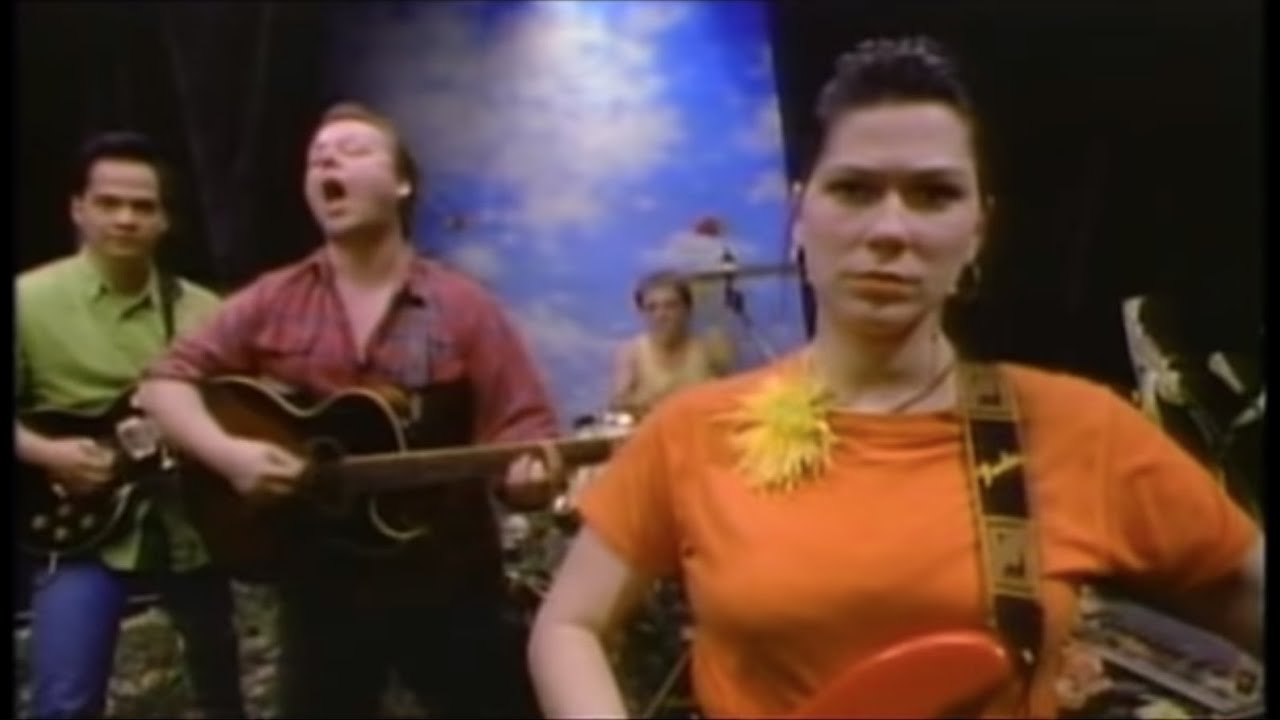
Not all bands age into their legacy—some continue to challenge it, and PIXIES remain one of the few that still feel unpredictable. There is something about PIXIES that resists settling. Decades on from their formation, their music still carries a sense of imbalance—melody rubbing against abrasion, control slipping into chaos. It is not just influence that defines them, but instinct. A band that never quite fits, and never tries to. Formed in Boston in 1986, PIXIES carved out a space that felt entirely their own. They were never cleanly part of the alternative boom they would later help define, instead building a sound rooted in tension. Fronted by Black Francis, alongside Kim Deal, Joey Santiago, and David Lovering, their chemistry has always felt reactive rather than calculated—songs that move like they are about to fall apart, but never quite do. That push and pull is central to everything they create. The loud-quiet-loud dynamic is not just a stylistic choice; it is the band’s foundation. Tracks begin in restraint, often uneasy, before breaking into distortion-heavy release without warning. It is a structure that would go on to shape bands like NIRVANA, but PIXIES remain the most unpredictable version of it—less polished, more volatile, and all the more vital because of it. Records like Doolittle capture that balance perfectly. Jagged hooks sit alongside off-kilter rhythms, while lyrics drift between the surreal and the deeply personal. There is no clean resolution, no easy centre—just movement, tension, and release. It is that refusal to smooth things out that has allowed the band to endure without losing their edge. Live, that instability becomes even more apparent. PIXIES do not recreate their songs so much as rework them in real time—stretching moments, tightening others, letting imperfections bleed through. It is not about precision; it is about presence. A set can shift in tone without warning, moving from eerie stillness into abrasive bursts of noise that feel immediate and unfiltered. That is what makes their appearance at BEARDED THEORY FESTIVAL such a natural fit. Festivals often lean towards spectacle, but PIXIES thrive in atmosphere. Expect a performance that does not rely on nostalgia, even with a catalogue that invites it. Instead, it will lean into contrast—quieter moments hanging in tension before giving way to something heavier, deeper cuts sitting alongside the band’s most recognisable material without clear separation. They have never been the safest booking, and that remains their strength. PIXIES exist slightly outside of expectation, unwilling to fully conform to what a headliner should be. At BEARDED THEORY FESTIVAL, that refusal will stand out. Not polished, not predictable—just raw, reactive, and unmistakably their own. Words: Mia Gailey
- REVIEW: KNIFE BRIDE - sorry about the plague
In sophomore EP sorry about the plague is where Brighton quartet KNIFE BRIDE dial up the theatre to craft a narrative that starts with moreish character building and finishes with raw vulnerability. Across its five tracks, there are polished fusions of angsty metalcore guitars and screechy synths that carry the cheek of Mollie Clack’s vocals well, as well as the religious imagery plastered all over the EP’s titles and lyrics which lend to themes of sinning, confession and forgiveness. Lead single alone at the altar opens the EP, with the synths bouncing along the instrumental in the first verse before moving easily into the first of many well-executed tempo changes in the bridge. As the name suggests, KNIFE BRIDE open with a defiant response to a breakup, excluding confidence as the synths accent the final bar of eight bar phrases throughout, then blending the styles together by repeating “my” remix-style in the breakdown to set the rock rave mood. Latest single crucify quickly follows and ups the pace of sorry about the plague; a proper look into the all-consuming character followed within the EP with all the cheek that would entail. The soundscape is chaotic with the synth running scales and static piled onto Sean Windle’s guitar in the first half while Clack’s character rejoices in watching a life go down in flames. In the second half, the religious imagery woven through the second such themed title stitches into synth harmonies that sound choral before breaking into whiny guitars that contrast the punchy bass and drums. For the midpoint there’s lillies, slowing back down and discussing wasting years in the beginning to hint that the big personality will be stripped back. This doesn’t compromise the moreish soundscape that builds from the slower tempo, incorporating some rap singing in verse two to go along with the Drum and Bass beats then finishing with an angry breakdown/bridge. By the final movement the vocals become accusatory, creating the first nod to the hurt that lies at the foundation of sorry about the plague. Porcelain is the penultimate and standout track of sorry about the plague from jump, with Sean Millsopp’s floor lead drumline traded between headphone speakers in the intros and instrumental breaks that adds welcome bounce to the final act of the EP, with said instrumentals coming back with the half time bridges and keeping heavy until the unapologetically metalcore final breakdown complete with an irresistible china lead. The lyrics are confrontational about ones flaws, shown best in “I was the poison/you thought I was the antidote”, emblemising the ‘confessions of a former messy girl’ narrative while the consequences of this play out in the ear. To finish: poisoned by god, where the façade finally breaks and the vulnerability finally shows through. From jump "desperate to be loved/desperate to be something new” is like a sigh of despair once alone performing joy to a group, with the synths now mixed akin to a piano as the chorus declares “and with my heart in chains I play the fool”. Poisoned by God calls out to a former lover for one more chance in a beautifully emo finish to sorry about the plague, where the different versions of “If you ever asked me would I do it again/I would always do it my friend” hide the heavy instrumentals building in the background to form the perfect final crescendo. sorry about the plague is a delightfully polished sophomore set of tracks for KNIFE BRIDE: the peeling the layers narrative is executed expertly while their desired sound is a distinct mix of hard rock, synth rock and metalcore. What was lacking was more of Windle’s scream, teased in a screech and blegh snuck into sorry about the plague that would be interesting to see let loose. Those seeing CALVA LOUISE in the week ahead have a treat in store if they make it early. Score: 7/10 sorry about the plague will be self-released on 24th April 2026. Words: Julia Brunton Photos: KNIFE BRIDE
- REVIEW: VLMV - There Will Come Soft Rains
VLMV, pronounced “Alma”, is a decade-spanning project fronted by composer Pete Lambrou. It’s hard to nail down exactly what category or box their music falls into - even Lambrou himself defines it as “ambient-ish post-something”. Ambient is definitely the name of the game here, even the post-rock acts that you can hear some level of influence from, like Sigur Rós feels like a reach to compare them to the second you look past the string arrangements. So naturally, new album There Will Come Soft Rains on the way once again evades comparison. There’s bits and pieces of gems from the 2000s wave of ambient in there but, still wholly feels like its own thing. This was immediately clear from the only single in the leadup to the album, Bodies Grown Pt. 1. Described as "...an analogue synth played into modular, which gave me something back in response I hadn't planned. Like we were having a conversation, or a duet” by Lambrou, the synth ebbs and flows over the course of nearly five minutes without vocals. It feels like some sort of call and response, with the soft sustain at the end of each phrase starkly contrasting the comparatively harsher tone of the first few moments of each note. The second half shifts into something more akin to post-minimalism. The synth plays over string arrangements now, the strings gradually becoming more present, and by the end of the song it feels like this sort of dance between the synthesised and the natural elements of the song, to ultimately manifest into something that feels wordlessly human. It feels like a disservice to talk about Bodies Grown Pt. 1 without discussing Bodies Grown Pt. 2, as the penultimate song, later on the tracklist. Immediately setting itself up as taking a different approach to the first part, with Lambrou’s vocals over a grand piano, and that’s the form the majority of the song takes, outside of a string section with a similar ebb and flow to Pt. 1. It effectively serves as the closer to the album too, with final track Somnolence in Reverse feeling more like a post-credits scene. That’s not a bad thing, of course, it’s an absolutely gorgeous instrumental piece, with skittery synths that hop about until coalescing just before a crescendo towards the end with strings, percussion and a strummed guitar, before fadeout. It might be the single most evocative soundscape on the album. Elsewhere, you get rhythm experiments over these ever-present, impenetrable synths constantly buzzing in the backgrounds of songs like on We Are All Explorers Now and In Absentia. Meditative and eerie exercises in atmosphere like The Pilot, a song that halfway into its nearly six minute runtime contains this section of chopped up and manipulated vocal samples that adds a completely new dimension to the atmosphere of the album. Or these almost-ballads like the aforementioned Bodies Grown Pt. 2 and I Am an Officer, another almost six minute track that almost feels like the emotional centrepiece of the album, letting you live with the track rather than trying to surprise you, in spite of the rhythmic switch-up and gorgeous string section during the outro. There Will Come Soft Rains is an album that, as unassuming as it may be, is a surprisingly difficult first listen. It’s one you need to approach without prior expectations (unless you’re already a fan of the group) and sit with it for a while. The more you do, the more its inherent beauty reveals itself. Score: 8/10 There Will Come Soft Rains will be released on 24th April 2026 via Pelagic Records. Words: Noise Leonard Photos: VLMV
- REVIEW: DFL (Dead Fucking Last) - Fuck It
There’s a fine line between staying true to your roots and becoming a parody of them — and over thirty years in, DFL still sound like they’d rather crash and burn than play it safe. Fuck It is exactly what the title promises: loud, fast, messy, and completely uninterested in anyone’s expectations. There’s no reinvention here, no attempt to modernise — just pure, unfiltered hardcore energy delivered with the kind of reckless confidence most bands lose within a few years. From the opening seconds, Fuck It throws you straight into the deep end. It’s abrasive, immediate, and over before you’ve fully caught your breath. That same momentum tears through Paddy Wagon and Watch Your Step, both of which feel like they’re being held together by instinct rather than precision. That’s always been the appeal of DFL — the sense that everything could fall apart at any second, but somehow never does. There’s grit in every corner of this record, and none of it feels accidental. Then comes Second Chances, and it hits differently. Still fast, still aggressive, but there’s a weight to it that cuts through the chaos. Monty Messex and Crazy Tom Davis sound less like they’re performing and more like they’re unloading something real. The line all the good ones are dead and gone doesn’t just land — it lingers. It’s a rare moment where DFL pull back just enough to let something honest bleed through, and it works. The abrupt ending only reinforces that tension, cutting the track off before it has any chance to resolve. Any sense of reflection doesn’t last long. WWFD and Bang slam the accelerator straight back down, dragging the record into full-speed chaos again. There’s a sharpness to the production that keeps everything from completely derailing, thanks in part to Fletcher Dragge, but it never feels overworked. Instead, it enhances the impact without dulling the edges. Tracks like No U Don’t and Heavy Is The Head keep things tight and aggressive, refusing to waste time or overcomplicate anything. What stands out across Fuck It is how deliberate the chaos feels. This isn’t a band struggling to keep up — it’s a band choosing to stay raw. There’s a difference, and you can hear it in the way each track hits fast, burns out, and makes room for the next without hesitation. Nothing lingers longer than it should, and that brevity becomes part of the album’s identity. By the time Tour Talk closes things out, Fuck It has done exactly what it set out to do — no more, no less. Nine tracks, no filler, no polish, no compromise. It doesn’t try to stretch beyond its limits or present itself as something grander. Instead, it thrives in its own volatility, leaving an impression through impact rather than scale. What makes this record land isn’t growth — it’s refusal. DFL aren’t interested in evolving for the sake of it, and they’re definitely not chasing relevance. Instead, they double down on the raw, chaotic energy that defined them in the first place. For some, that’ll feel limiting. For others, it’s exactly the point. This is a band that knows who they are and has no intention of softening that identity. And honestly, there’s something refreshing about how alive this album feels. Too many bands at this stage smooth out their edges, lean into nostalgia, or start playing it safe. DFL do the opposite. This still sounds like a band that could fall apart at any second — and that tension is exactly what keeps it exciting. Fuck It doesn’t care if you keep up. It just hits, fast and hard, and disappears before you can ask for more. Score: 7/10 Fuck It will be released on 24th April 2026 via SBÄM Records. Words: Mia Gailey Photos: Rich Zoeller
- REVIEW: The Amity Affliction - House of Cards
There’s no grand reinvention here, no desperate lunge toward relevance. What THE AMITY AFFLICTION deliver on House of Cards is something far less marketable and far more vital: clarity under pressure. Not polished, not pretty—just brutally, unavoidably clear. Where Not Without My Ghosts felt like a band proving they still had teeth, House of Cards is what happens after the fight is over and the bruises have settled in. This is the sound of survival without the victory lap. From the opening moments of VIDA NUEVA, there’s a sense of tension rather than release. It doesn’t explode—it simmers. That restraint becomes a recurring weapon. KICKBOXER follows with more bite, leaning into that familiar Amity push-and-pull between crushing instrumentation and melodic lift, but there’s a weight behind it that feels earned rather than formulaic. The title track, HOUSE OF CARDS, is the thematic spine. Fragility isn’t dressed up here—it’s exposed. The band has always flirted with collapse as a concept, but this is the first time it feels fully realised. Nothing is stable, and that’s the point. The structure of the record mirrors that idea: songs hit hard, then recede, like emotional aftershocks rather than neatly packaged singles. HEAVEN SENT and BLEED tap into that classic Amity duality—anguish wrapped in hooks—but there’s less interest in immediacy this time. These aren’t tracks begging for repeat listens; they demand it. The melodies don’t hand themselves over easily, and when they do, they carry more weight because of it. Where the album really sharpens its teeth is in its middle stretch. BREAK THESE CHAINS and BESO DE LA MUERTE feel suffocating in the best way—dense, oppressive, and unwilling to offer relief. This is where the band’s commitment to instinct over structure becomes obvious. These songs don’t follow expectations; they follow feeling, even when that means abandoning traditional payoff. SWAN DIVE is one of the record’s most striking moments—not because it’s the heaviest, but because it’s the most resigned. There’s a quiet devastation running through it that hits harder than any breakdown. That same energy bleeds into SPEAKING IN TONGUES, which feels disoriented and fractured, like trying to articulate something that refuses to be understood. By the time AFTERLIFE and REAP WHAT YOU SOW land, the album has fully shed any expectation of catharsis. These tracks don’t resolve—they linger. Consequences, not closure. It’s a subtle but important shift from earlier releases, where even the darkest moments carried a sense of release. Then there’s ETERNAL WAR. Easily one of the heaviest cuts the band has ever put out, but more importantly, one of the most honest. There’s no metaphor left to hide behind. It’s blunt, suffocating, and completely committed to its own weight. This isn’t aggression for the sake of it—it’s survival instinct turned outward. What makes House of Cards isn’t just its subject matter—it’s the absence of illusion. There’s no redemption arc stitched into these songs, no neat framing device to soften the impact. Frontman Joel Birch has always written from a place of lived experience, but here it feels stripped back even further. No performance, no distance. Just confrontation. Sonically, the band feels locked in. Dan Brown’s production doesn’t overreach; it sharpens. Joe Longobardi’s drumming provides a physical backbone that keeps everything grounded, while Jonathan Reeves adds depth without diluting the band’s core intensity. There’s a sense of trust running through the record—nothing feels second-guessed. That’s ultimately what defines this album. Not evolution, not regression—trust. Trust in instinct, in emotion, in the idea that not everything needs to be resolved to be real. More than two decades in, THE AMITY AFFLICTION aren’t trying to outdo their past. They’re confronting it, sitting with it, and choosing to move forward anyway. And House of Cards doesn’t promise that things will hold together. It just shows you what it looks like when they don’t. Score: 10/10 House of Cards will be released on 24th April 2026 via Pure Noise Records. Words: Mia Gailey Photos: Tom Brown